

Baking and cooking commonly depend on detail, but real kitchen situations are rarely perfect. Ingredients run out, dietary needs change, or substitutions become necessary at the last moment. At those moments, many people rely on guesswork, quick searches, or personal assumptions. While this may work occasionally, it often leads to variable or disappointing results.

An ingredient substitute finder helps bridge the gap between uncertainty and knowledgeable choices. Instead of relying on trial and error, it provides systematic advice that is consistent with their intended function. This is especially valuable in both baking and cooking, where ingredients behave differently depending on how they are used. Using a tool to find ingredient swaps can help you make better choices when cooking at home.
Why Ingredient Substitution Is Often Challenging
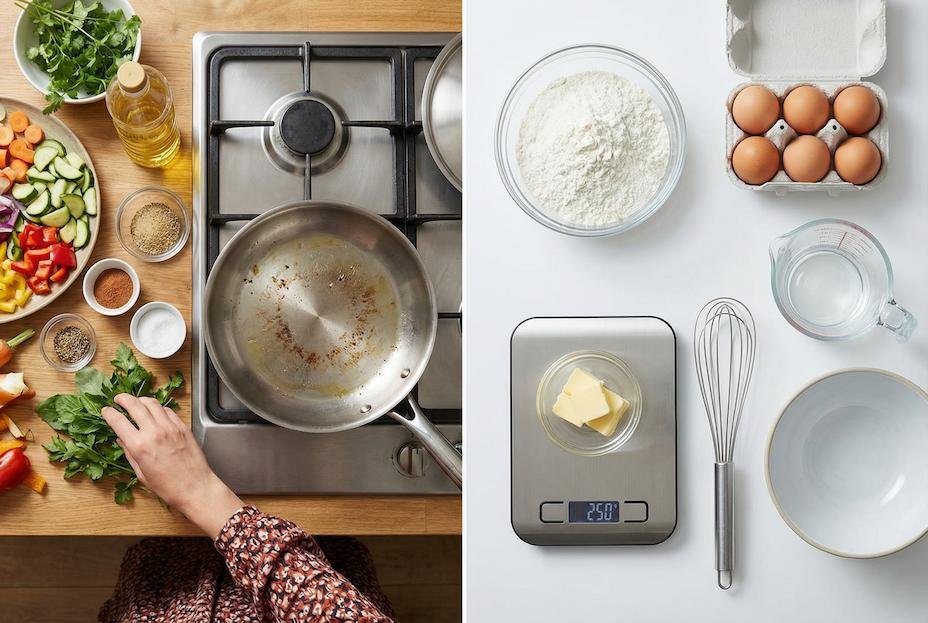
Substituting an ingredient is not simply about replacing one item with another. Each ingredient serves a specific role. Some contribute moisture, others structure, binding, texture, or flavor balance. When these roles are misunderstood, substitutions can fail even if the replacement seems reasonable on the surface.
In cooking, flexibility is often possible. Adjustments can be made during the process, and outcomes are usually more forgiving. Baking, however, is less adaptable. Small changes can affect structure, rise, and final texture, making substitutions more sensitive.
The difficulty is in understanding why an ingredient is used, not just what it is. Lacking this understanding, substitutions become guesses rather than considered choices.
How Guessing Substitutes Leads to Unreliable Results
Many people substitute ingredients based on familiarity or convenience. While experience can help, it does not always account for how ingredients interact during cooking or baking.
Common issues caused by guessing include:
- Changes in texture or density
- Unbalanced moisture levels
- Inconsistent cooking times
- Unexpected flavor outcomes
These problems are not always evident until the final result. At that point, adjustments are no longer possible. This is where structured guidance becomes more valuable than personal assumptions.
What a Substitute Finder for Ingredients Does
An ingredient replacement tool is designed to reduce uncertainty. Instead of offering random alternatives, it focuses on the function of the missing ingredient. This functional method assists in identifying substitutes that behave similarly under heat, mixing, or resting conditions.
Rather than presenting long descriptions or recipes, it typically provides:
- Suitable replacement options
- Context on how substitutes behave
- Guidance for cooking versus baking use
Narrowing choices to relevant substitutes allows users to make faster and more confident decisions.
Supporting Better Decisions in Cooking
Cooking permits adaptability, but it still benefits from structure. When an ingredient is missing, a diet-aware substitution tool supports sustaining equilibrium by suggesting alternatives that perform a similar role.
In everyday cooking, this support helps:
- Preserve texture and consistency.
- Maintain intended flavor balance.
- Reduce unnecessary experimentation
Because cooking regularly requires modifications throughout the process, informed substitutions help keep those adjustments minimal and controlled.
Improving Accuracy in Baking
Baking is less forgiving than cooking. Ingredients often act in several roles at once, such as contributing both structure and moisture. Replacing one component without knowing its function can affect the entire result.

A functional substitution guide helps by:
- Aligning substitutes with structural needs
- Pointing out variations between similar alternatives
- Decreasing the probability of imbalance
Instead of relying on generalized advice, bakers gain access to targeted guidance that supports more expected results.
Saving Time and Minimizing Frustration
One of the most valuable perks of using an ingredient substitute finder is efficiency. Searching through multiple sources or comparing conflicting advice can be time-consuming and confusing.
With a focused substitution tool:
- Decisions are made faster.
- Fewer revisions are essential.
- Results are more consistent.
This is especially helpful during time-sensitive situations, where fast clarity matters more than in-depth explanations.
Supporting Dietary and Preference-Based Adjustments
Ingredient substitutions are often required due to nutritional preferences or restrictions. In these cases, substitutions are not optional but necessary.
An ingredient substitute finder supports these needs by:
- Presenting choices that correspond with functional requirements
- Helping users avoid substitutions that compromise results
- Providing clarity without overwhelming detail
This allows adjustments to be made confidently while protecting the integrity of the final dish.
When an Ingredient Substitute Finder Is Most Useful
While not every situation requires organized advice, there are moments when a reliable substitution tool becomes especially valuable:
- When an ingredient is unavailable
- When consistency matters
- When baking outcomes need precision
- When time is limited
In these scenarios, informed substitutions reduce risk and increase reliability.
Understanding the Difference Between Baking and Cooking Needs
One of the strengths of an ingredient substitute finder is its ability to distinguish between baking and cooking contexts. Substitutes that work well in one may not perform the same way in the other.
By separating these use cases, it helps users:
- Avoid unsuitable replacements
- Choose substitutes that suit the process.
- Achieve more predictable results.
This distinction is often overlooked in general advice, making systematic advice especially useful.
Reducing Dependence on Trial and Error
Trial and error can be educational, but it is not always practical. Repeated mistakes waste time, ingredients, and effort.
A guided ingredient replacement system lowers reliance on experimentation by:
- Narrowing choices to viable options
- Explaining differences between substitutes
- Supporting better initial decisions
This does not replace experience but complements it with structured insight.
Using Tools as Support, Not Replacement
An ingredient substitute finder does not replace knowledge or creativity. Instead, it supports better decision-making through offering background information and direction.

For those who want instant clarity, a reliable ingredient substitute finder can simplify decisions without removing flexibility. It works as a reference point, giving users the ability to proceed with confidence rather than uncertainty.
Conclusion
Ingredient substitution is not about finding any replacement; it is about finding the right one. Understanding ingredient roles, cooking context, and functional behavior makes the difference between success and disappointment.
An ingredient substitute finder helps by organizing this information into practical guidance. It supports both baking and cooking by reducing guesswork, saving time, and improving consistency. When used thoughtfully, it becomes a valuable companion in real kitchen situations, helping users adapt without impairing results.